Introduction
Dysphagia, or problem swallowing, is a problem that influences countless individuals worldwide. For those that experience it, dysphagia can cause major health issues, including poor nutrition, dehydration, and goal pneumonia. As the populace ages and even more individuals deal with chronic health problems, recognizing and handling dysphagia has actually come to be significantly important. Nevertheless, recognition alone isn't sufficient. The demand for comprehensive training programs for caretakers, nurses, and treatment staff is vital in making sure that dysphagia is managed efficiently. This short article explores various elements of dysphagia recognition and emphasizes the significance of structured dysphagia training courses.
Dysphagia Training for Carers: Understanding the Basics
What is Dysphagia?
Dysphagia refers to difficulties in swallowing food or fluids. It can arise from various causes, including neurological conditions such as stroke or Parkinson's illness, architectural problems in the throat or esophagus, and certain cancers.
Why Carers Required Specialized Training
Carers usually play a frontline function in sustaining people with dysphagia. Without appropriate training, they may not identify signs and symptoms early or comprehend just how ideal to help individuals during mealtimes.
Key Elements of Dysphagia Training for Carers
- Understanding Makeup: Knowledge with the anatomy associated with ingesting helps caregivers determine prospective issues. Recognizing Signs: Symptoms like coughing while consuming or too much throat clearing have to be identified promptly. Safe Feeding Techniques: Knowledge concerning ideal food structures and feeding placements is critical.
Dysphagia Training for Treatment Staff: Necessary Skills
The Duty of Care Personnel in Managing Dysphagia
Care staff are important to providing assistance within health care setups. Their responsibilities often expand past fundamental care routines to consist of monitoring clients' nutritional intake and safety during meals.
Core Skills Required
Assessment Skills: Personnel needs to be trained to examine an individual's swallowing ability. Emergency Reaction: Understanding how to react if a patient chokes is crucial. Effective Communication: Clear communication with various other healthcare experts regarding a patient's demands is vital.Dysphagia Care Training: Bridging Understanding Gaps
Importance of Evidence-Based Care
Dysphagia treatment should be based upon present research and best methods to make certain security and effectiveness. Ongoing education and learning with specialized training programs plays a substantial role in linking knowledge voids among caregivers and health care providers.
Structure of Effective Dysphagia Care Training
- Workshops: Interactive workshops can offer hands-on experience. E-Learning Modules: Adaptable on-line programs make it less complicated for care staff to involve with training materials at their own pace. Simulation Workouts: Sensible simulations boost understanding and preparedness.
Dysphagia Training Course Review: What's Included?
Curriculum Development
A well-shaped dysphagia training course ought to include various subjects relevant to caretakers and health care experts alike.
Sample Educational program Topics
- Introduction to Dysphagia Anatomy & & Physiology of Swallowing Assessment Equipment & & Techniques Nutritional Considerations Intervention Methods Communication & Documentation htmlplcehlder106end &.
Dysphagia Training for Nurses: A Specialized Focus
Nurses as Key Players in Dysphagia Management
Nurses are usually the first line of protection when it pertains to recognizing people in danger for dysphagia. Their extensive contact with people puts them in an one-of-a-kind setting to observe modifications over time.
Specific Areas of Focus in Nursing Education
Patient Evaluation Skills Collaboration with Speech Therapists Patient Education and learning TechniquesInnovative Techniques in Dysphagia Training Courses
Incorporating Modern technology into Learning
Utilizing modern technology can improve the knowing experience for those going through dysphagia training by making info much more available and engaging.
Examples Include:
- Virtual Reality Simulations Online Discussion Online forums Mobile Applications for Quick Recommendation
The Value of Interprofessional Collaboration
Working With each other for Far better Outcomes
Interprofessional partnership in between nurses, speech specialists, dietitians, and other specialists can cause enhanced results for patients dealing with dysphagia.
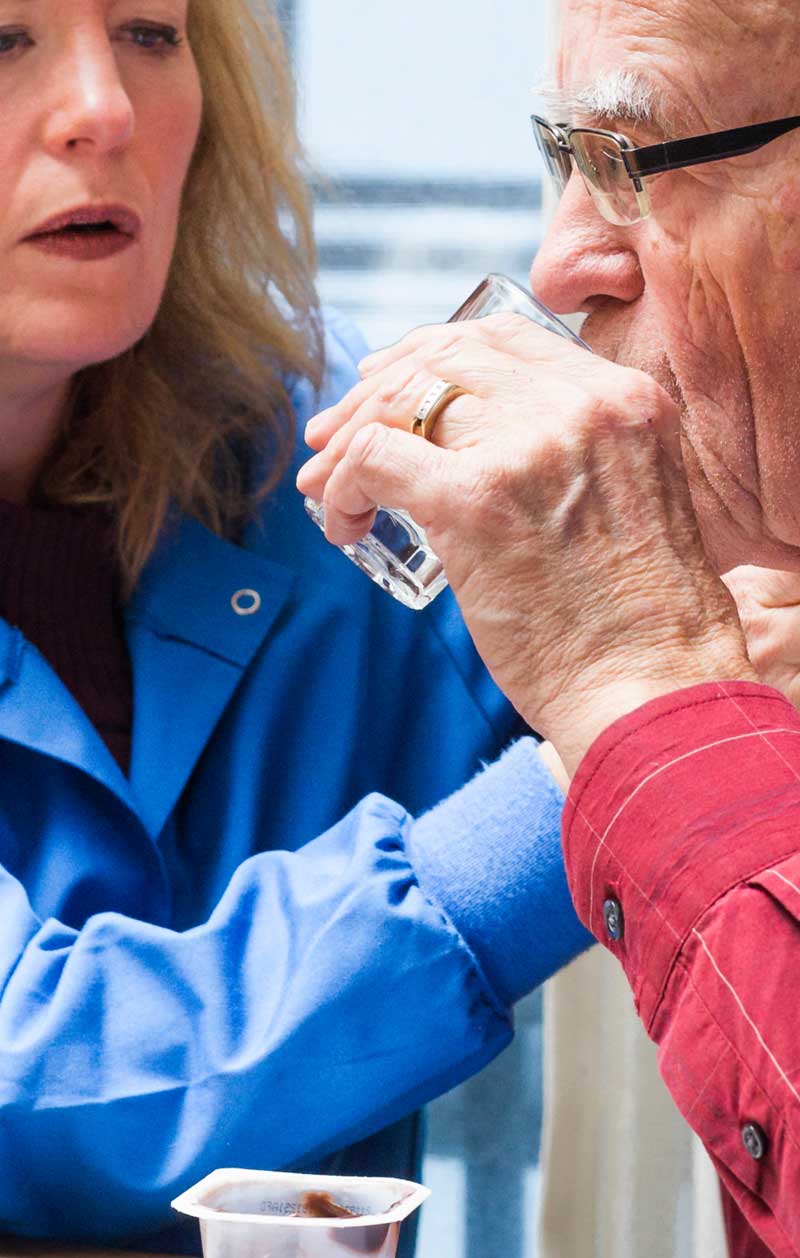

Benefits of Collective Practice
Improved Individual Safety Holistic Method to Treatment Enhanced Professional DevelopmentReal-Life Study on Efficient Dysphagia Management
Learning from Success Stories
Analyzing effective study enhances understanding by offering functional examples of reliable approaches executed via extensive training programs.

Example Case Study: A Stroke Individual's Journey
A detailed check into just how collaborated care amongst different experts dramatically improved the quality of life for a stroke survivor suffering from dysphagia shows the power of knowledge sharing.
Assessing Current Dysphagia Understanding Levels
Surveys and Research Findings
Conducting surveys among caregivers discloses that lots of lack adequate expertise regarding handling dysphagic patients effectively.
Key Searchings for:
- Over 60%really felt not really prepared when taking care of meals for individuals with ingesting difficulties. Less than 30%had received official training associated particularly to dysphasia management.
Challenges Encountered by Caregivers Without Correct Training
Identifying Usual Pitfalls
Without thorough training programs on dysphasia understanding, caregivers may experience numerous challenges:
Inadequate Monitoring-- Trouble identifying signs that indicate aggravating conditions. Food Selection Mistakes-- Lack of comprehending relating to structure adjustments essential for different degrees of dysplasia severity. Poor Interaction-- Falling short to relay vital info in between shifts or departments can lead to risky practices.FAQ Section
What is dysphasia? Dysaphasia refers specifically to language problems instead of physical swallowing difficulties; nonetheless, both problems might occur at the same time after neurological occasions like strokes.
How long does it require to complete a regular dysplasia course? Many training courses vary from eventually workshops up with multi-week qualifications depending upon their intricacy level targeting details target markets (registered nurses vs basic carers).
Are there any government regulations pertaining to caretaker education and learning on this topic? Yes! Several countries have developed guidelines that mandate recurring professional advancement concerning medical problems influencing susceptible populaces consisting of those affected by ingesting difficulties.
What resources exist online for extra learning? There are countless trusted internet sites providing complimentary sources such as webinars/educational videos concentrated on improving knowledge concerning this subject matter; organizations like ASHA(American Speech-Language-Hearing Organization )provide superb tools!
Is there any type of financial help offered when seeking these academic opportunities? A number of grants/scholarships exist focused on assisting health and wellness professionals advance their ability-- inspect local community colleges/universities providing these types!
How do I know if I need specialized training myself? If you function directly with people experiencing any type of type(s)related toward ingesting conditions regularly-- think about seeking out relevant instructional choices readily available near you!
Conclusion
In verdict, attaining purposeful improvements in the management of dyslexia needs commitment from all stakeholders entailed-- especially those charged with straight care arrangement! Comprehensive education/training programs concentrating explicitly on this location stand positioned not just foster higher individual confidence but eventually promote far better outcomes throughout entire communities-- making certain every voice obtains heard loud & clear moving forward! As we develop our understanding around"Dyslexia Recognition: The Need for Comprehensive Training Programs,"allow us remember its relevance effects far past just our specific duties-- it speaks volumes towards collective progress made together!